Water Damage
As a landscape photographer, weather is something I face every day. It shapes every decision—from where I go, to how I shoot, to whether I even take my camera out at all.
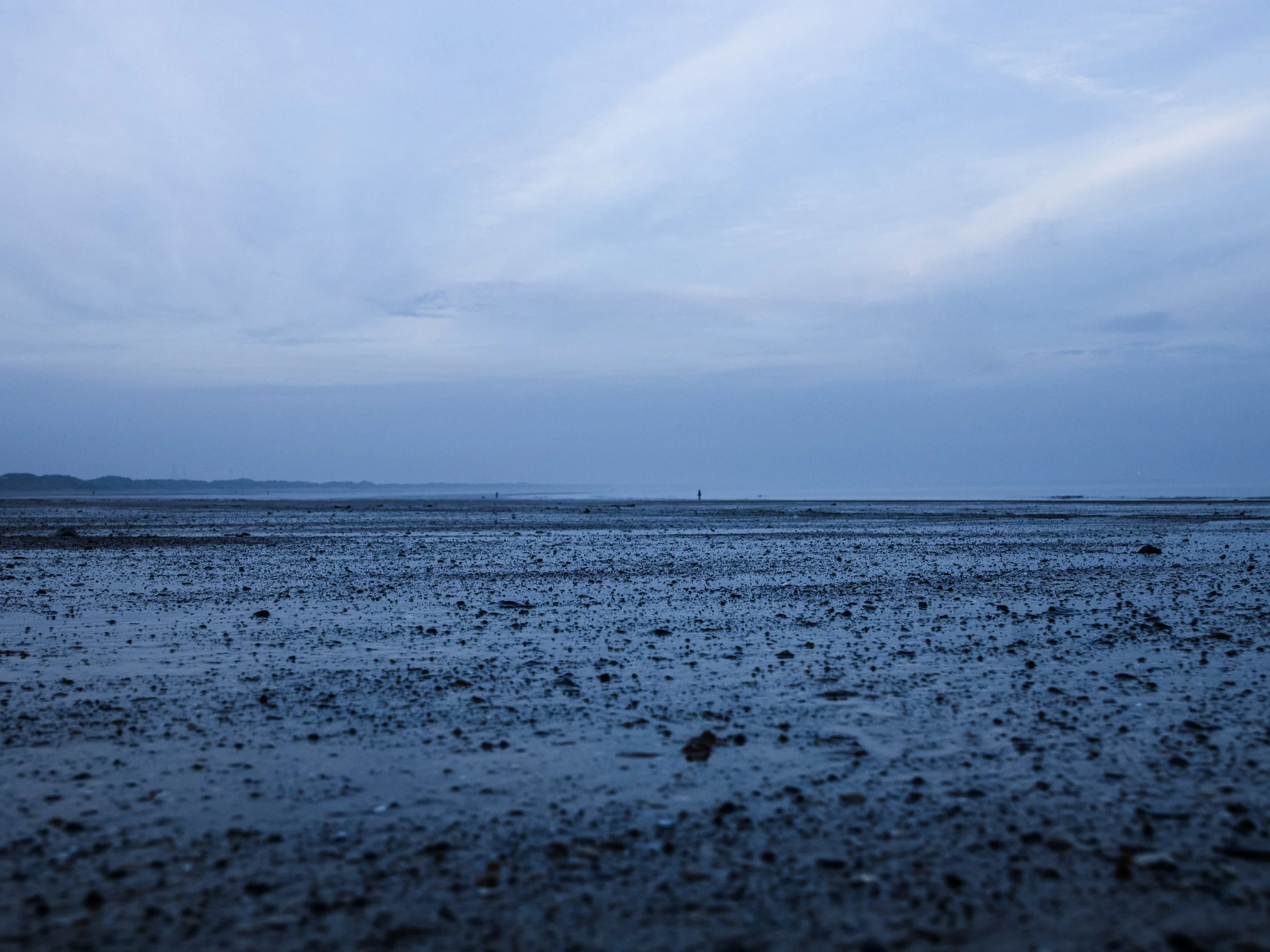
The sky has always fascinated me—a constant display of unpredictability, never repeating, never still. I’m drawn to how clouds drift and evolve, carving depth and character into the horizon, while the sun casts golden hues across the landscape, shifting shadows and reflections with every passing moment. Even the most familiar scenes feel entirely new under its influence. It’s that unpredictability that keeps me chasing these moments.
Looking back, venturing out that day was a careless decision. The forecast had been clear: strong winds and relentless rain, the kind of weather that usually keeps both photographers and their gear indoors. But at the time, I wasn’t about to let a little (or a lot of) rain stop me.
Stepping outside my comfort zone of warm, predictable climates has always meant embracing challenging, extreme environments—but this time, it came at a cost. Harsh conditions demand patience, quick thinking, and a willingness to take risks. And while those risks can lead to unique, powerful images, they don’t come without consequences.
This time, the weather won.
Below is the final photograph taken on my Canon EOS 2000D.
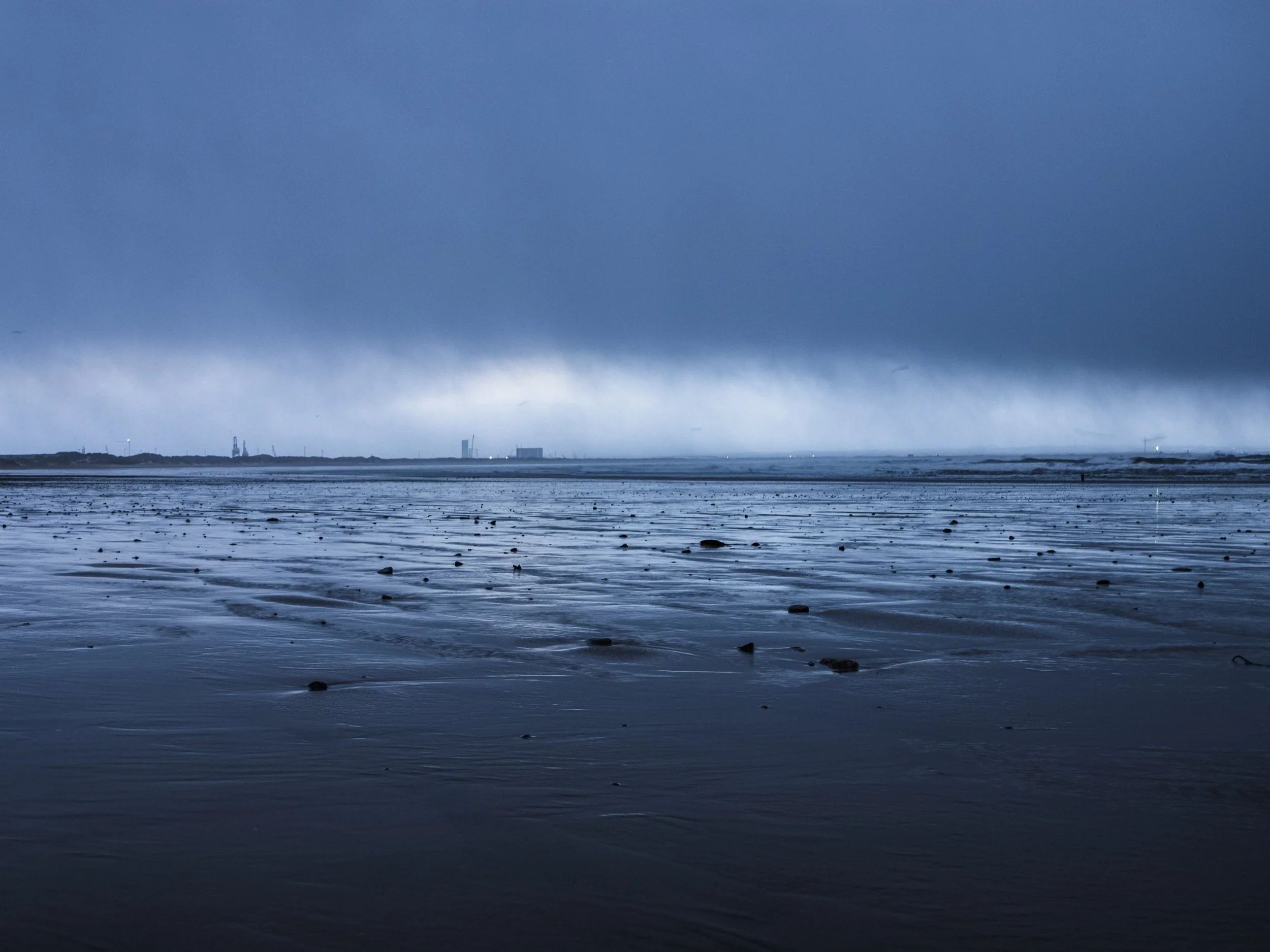
Redcar Beach, Canon EOS 2000D, November 25.
When I captured this shot, the reflection immediately drew my eye—the way the light hits the scene creates a natural focal point that just feels balanced. I got the camera low to the ground to really highlight the textures in the foreground, and later in post-processing, I nudged exposure and masked areas carefully to enhance that depth without overdoing it. I like to keep the colors true to what I saw that day—nature’s palette is already stunning, and I didn’t want to change it. Usually, I avoid man-made elements, but here, including Redcar Steel Works in the background, it felt right—it gives the scene context and tells a story about this place, blending the industrial with the natural in a quiet, subtle way.
The mood of the image is compelling; however, slightly brightening the highlights could enhance contrast, and selectively sharpening the wet sand and rocks would create a clear focal point, helping the photograph stand out. Despite the chaos, the experience offered a unique perspective on the unfolding storm and provided valuable lessons for my photography: patience in capturing the right moment, careful composition, and the subtle impact of post-processing to enhance depth and texture.
Equally important, never underestimate the conditions—prepare carefully, consider the risks, and if your old camera suffers water damage from a misjudged downpour, it’s a clear sign it’s time to invest in a more resilient model.
The upgrade I didn't know I needed!